
Therapeutic Peptides: Revolutionizing Modern Medicine
Peptides are small chains of amino acids that play a crucial role in numerous biological processes. Over the past decade, therapeutic peptides have emerged as a groundbreaking approach in modern medicine, offering highly targeted treatments with minimal side effects. From chronic diseases to rare conditions, peptides are shaping the future of healthcare.
What Are Therapeutic Peptides?
Therapeutic peptides are short sequences of amino acids designed to mimic natural proteins in the body. These molecules interact with specific receptors to regulate biological functions, making them effective in treating a wide range of medical conditions. Unlike conventional drugs, peptides are highly specific, reducing the risk of unwanted side effects.
Keywords: therapeutic peptides, peptide therapy, amino acid peptides, peptide-based medicine
Major Applications of Therapeutic Peptides
1. Peptides for Cancer Treatment
Research has shown that certain peptides can selectively target cancer cells without harming healthy tissue. Anticancer peptides inhibit tumor growth, promote apoptosis (programmed cell death), and improve the effectiveness of chemotherapy.
Keywords: anticancer peptides, peptides for cancer, cancer therapy peptides
2. Peptides in Obesity and Metabolic Disorders
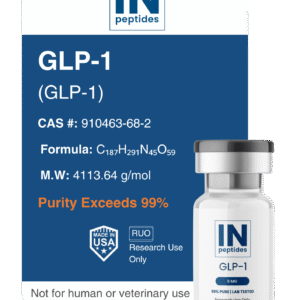
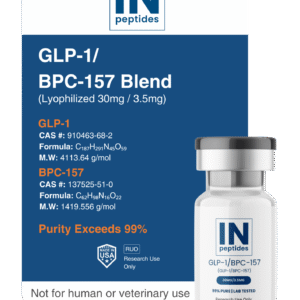
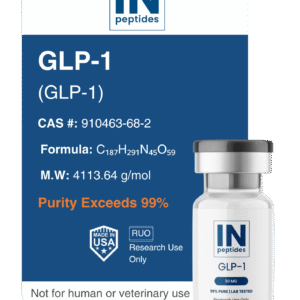
Peptides like GLP-1 analogs have gained attention for their ability to regulate appetite, improve insulin sensitivity, and support weight loss. These peptide-based treatments offer new hope for patients struggling with obesity and type 2 diabetes.
Keywords: weight loss peptides, GLP-1 peptides, metabolic health peptides
3. Peptides for Cardiovascular Health
Cardiovascular peptides help regulate blood pressure, reduce inflammation, and improve heart function. Their role in heart disease therapy is growing as researchers explore peptide-based solutions to common cardiac conditions.
Keywords: cardiovascular peptides, heart health peptides, peptide therapy for heart disease
4. Peptides in Neuroprotection
Certain peptides have neuroprotective properties, enhancing cognitive function and supporting recovery from neurological damage. Neuroprotective peptides are being investigated for conditions like Alzheimer’s, Parkinson’s, and stroke recovery.
Keywords: neuroprotective peptides, brain health peptides, cognitive enhancement peptides
Why Peptides Are the Future of Medicine
Therapeutic peptides offer several advantages over traditional drugs:
High specificity: They target precise receptors, reducing off-target effects.
Minimal toxicity: Peptides are generally well-tolerated and naturally metabolized.
Versatility: They can treat a wide range of conditions, from metabolic disorders to cancer.
Rapid development: Advances in peptide synthesis accelerate the creation of new therapies.
Keywords: peptide benefits, advantages of therapeutic peptides, peptide therapy benefits
How to Access Therapeutic Peptides
Peptide therapy is becoming increasingly accessible through clinics and licensed suppliers. Patients can consult healthcare providers to explore personalized peptide treatments for specific medical conditions.
Keywords: peptide therapy, buy therapeutic peptides, peptide treatment options
Conclusion
Therapeutic peptides are transforming modern medicine with their precision, safety, and versatility. From cancer therapy to metabolic health, peptides offer targeted solutions that traditional drugs cannot match. As research advances, peptide-based therapies are poised to become a mainstay in the treatment of chronic diseases, promising better outcomes for patients worldwide.